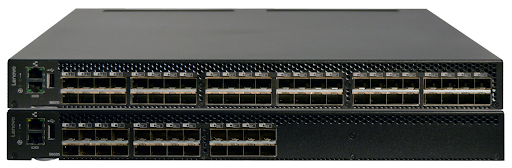
Fibre channel switches are at the heart of fast and reliable data networks. Many businesses use them for storage and server connectivity. Yet most companies do not use these switches fully. They invest in expensive hardware but get only partial benefits. Fibre channel switches can improve speed, reduce downtime, and make data access easier.
According to a global report by DataIntelo, the global market of fibre channel switches is expected to surpass $4.9 billion by 2032.
If you want your IT infrastructure to work better you need to understand how to get the most out of your fibre channel switches. You must know the features they offer and how to apply them. From monitoring traffic to optimizing bandwidth, there are ways to use every feature fully.
This article shows practical strategies that improve your network performance. Let’s talk to understand better
1. Understand the Power of Fibre Channel Switches
Fibre channel switches connect servers and storage devices in a storage area network. A reliable fibre channel switch handles large amounts of data quickly and lets businesses use it for backups and virtual environments. This also reduces network congestion by properly managing data between storage and server systems.
- They improve storage access speed.
- They offer reliable connections for critical applications.
- They support high bandwidth for growing data needs.
Monitor Your Network Traffic Closely
Monitoring traffic is the first step to using switches fully. You need to know how much data flows through your network.
- Use built-in tools to track bandwidth usage.
- Identify bottlenecks before they cause problems.
- Monitor errors to maintain reliable connections.
2. Optimize Switch Configurations
Configuration is critical for performance. Poor settings limit switch potential. Many businesses keep default settings and lose speed.
- Set proper port speeds for each device.
- Enable zoning to control access and improve security.
- Use multiple paths for redundancy.
Use Advanced Features to Boost Performance
These switches have many advanced features. Most companies do not use them fully.
- Trunking combines multiple ports for higher bandwidth.
- Quality of Service prioritizes important traffic.
- Fabric Shortest Path First improves data routing.
- Persistent Bindings keep connections stable.
3. Keep Your Network Secure
Security is often overlooked in Fibre Channel networks. Many assume physical security is enough.
- Enable access control to restrict unauthorized devices.
- Use encryption to protect data in transit.
- Regularly update firmware to fix vulnerabilities.
- Monitor for unusual activity that may indicate threats
Plan for Scalability
These switches grow with business needs. Planning for future expansion is essential.
- Use modular switches that allow extra ports.
- Keep spare modules for quick upgrades.
- Monitor network growth to anticipate capacity needs.
- Test new configurations before deployment.
Planning reduces stress and downtime. It also saves money by avoiding rushed purchases. Scalability ensures the network can handle new applications and higher traffic.
4. Maintain Your Switches Regularly
Maintenance is key to long-term performance. Many users ignore regular checks.
- Clean dust from switches to prevent overheating.
- Replace worn cables and connectors.
- Update firmware for bug fixes and new features.
- Review configurations periodically for optimization.
Regular maintenance keeps switches running at full potential. It also prevents failures that can stop business operations.
5. Monitor Metrics and Analyze Data
Data analysis improves decisions about network management. Tracking the right metrics helps in optimization.
- Track latency and throughput for performance insights.
- Record error rates and dropped frames.
- Analyze traffic patterns to improve zoning.
- Use historical data to plan capacity upgrades.
Analyzing metrics helps in preventing downtime. It also guides investments in additional hardware.
Integrate with Other Systems
These switches work best when integrated with other IT systems.
- Connect storage management tools for centralized control.
- Integrate with virtual machine monitoring for performance tracking.
- Use analytics software for predictive maintenance.
Choose the Right Switch for Your Needs
Not all switches are equal. Choosing the right one affects performance and growth.
- Evaluate bandwidth needs and port density.
- Consider latency and throughput requirements.
- Check compatibility with existing infrastructure.
- Look for features that match business goals.
Choosing wisely avoids wasted money. It also ensures the network grows with your business.
Conclusion
A fibre channel switch is a powerful business network. Many companies use only a fraction of their potential. Monitoring traffic, optimizing configurations, and using advanced features improve performance. Security, scalability, and regular maintenance ensure long-term benefits. Training your team and integrating systems maximizes efficiency. Choosing the right switch and staying updated guarantees your network supports growth.
Using fibre channel switches fully is not just about speed. It is about reliability, security, and cost savings. Every feature matters and every action counts. By applying these strategies your network will run smoothly and support your business needs now and in the future.